







Acne & Acne Scars
Active breakouts and the marks they leave behind need different treatments.

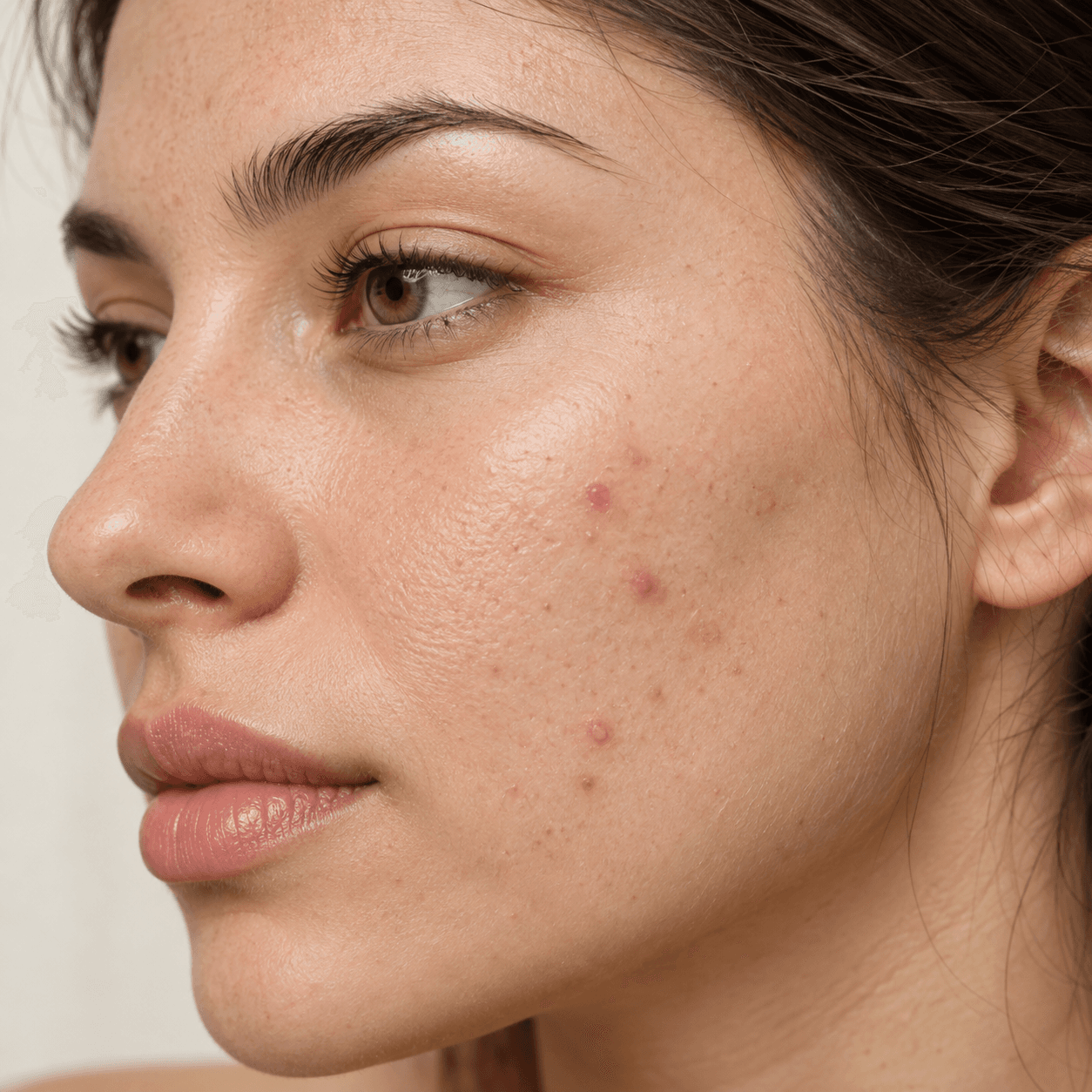
Acne and acne scarring are two separate problems that often get treated as one. Active breakouts are an inflammatory condition; scars are structural damage left behind after inflammation resolves. Treating scars while acne is still active tends to make both worse, so the order matters: settle the acne first, then repair.
01
Why it happens
Pores blocked by oil and dead skin cells, which bacteria then colonise
Hormonal shifts that increase oil production — which is why adult acne often sits along the jaw
Depressed scarring left when inflammation destroys collagen faster than the skin rebuilds it
Dark marks that are pigment, not scars, and fade on their own given sun protection and time
02
What helps
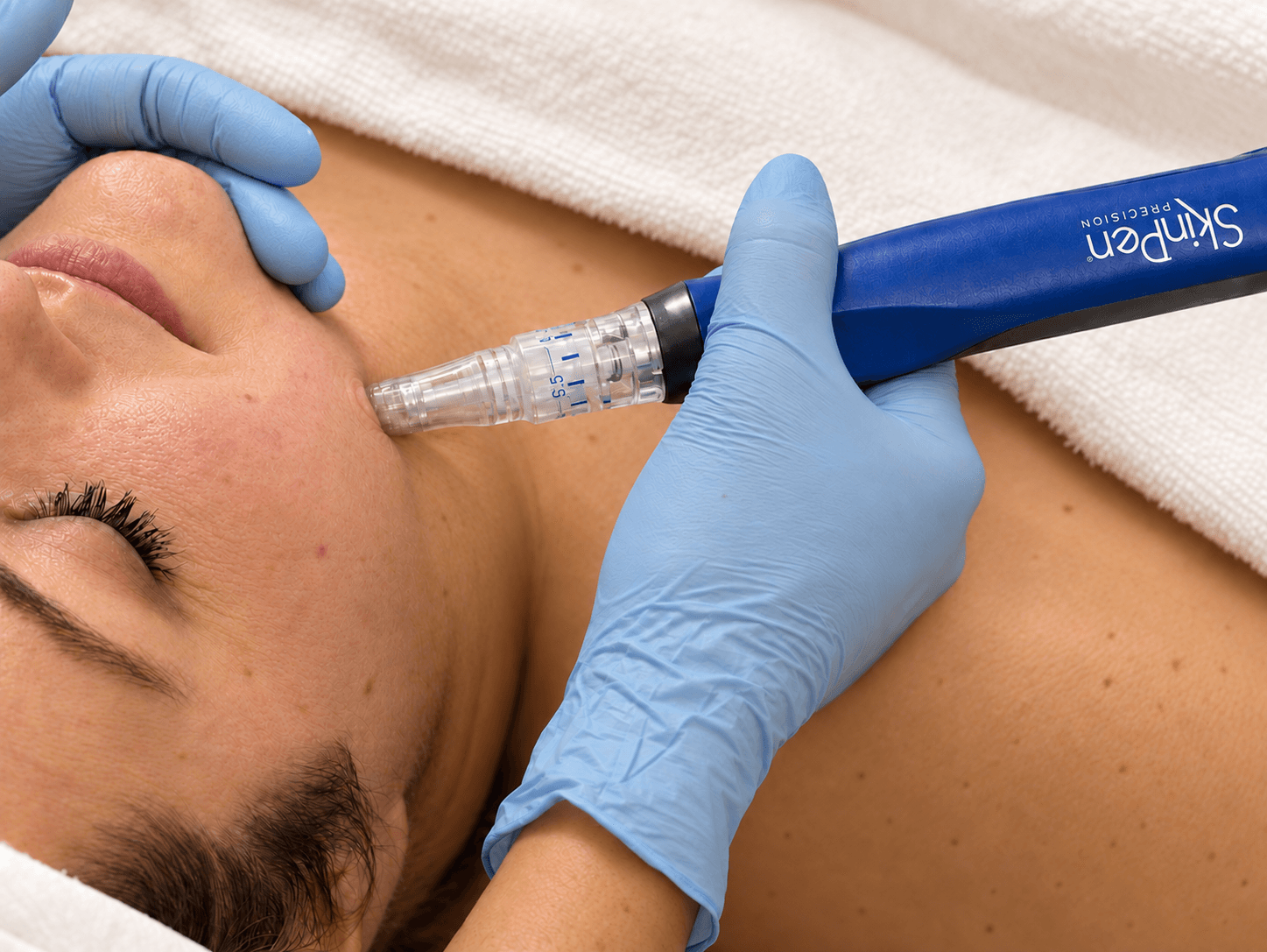
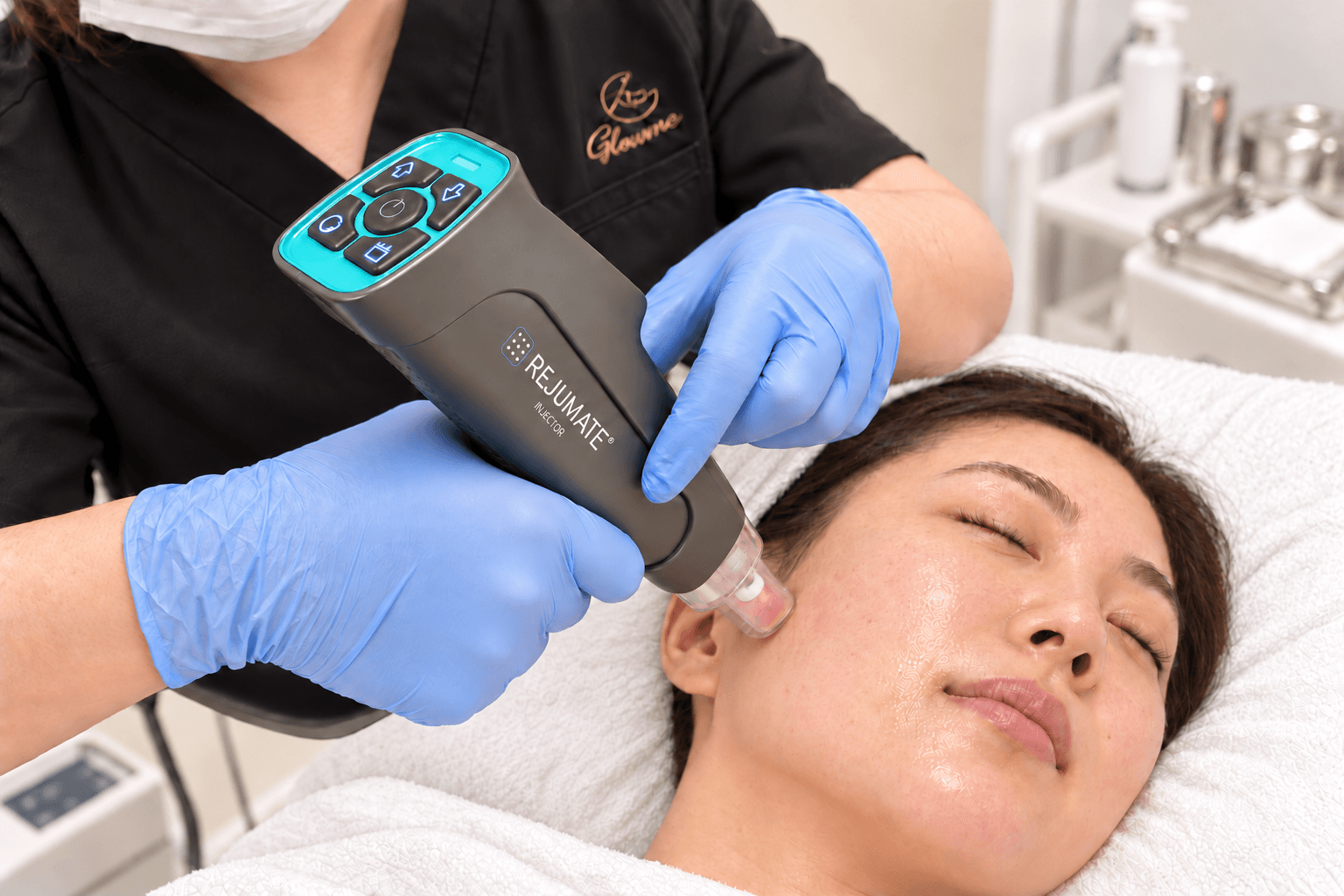
Microneedling
Collagen induction for acne scarring, pores, and uneven texture.
See treatment →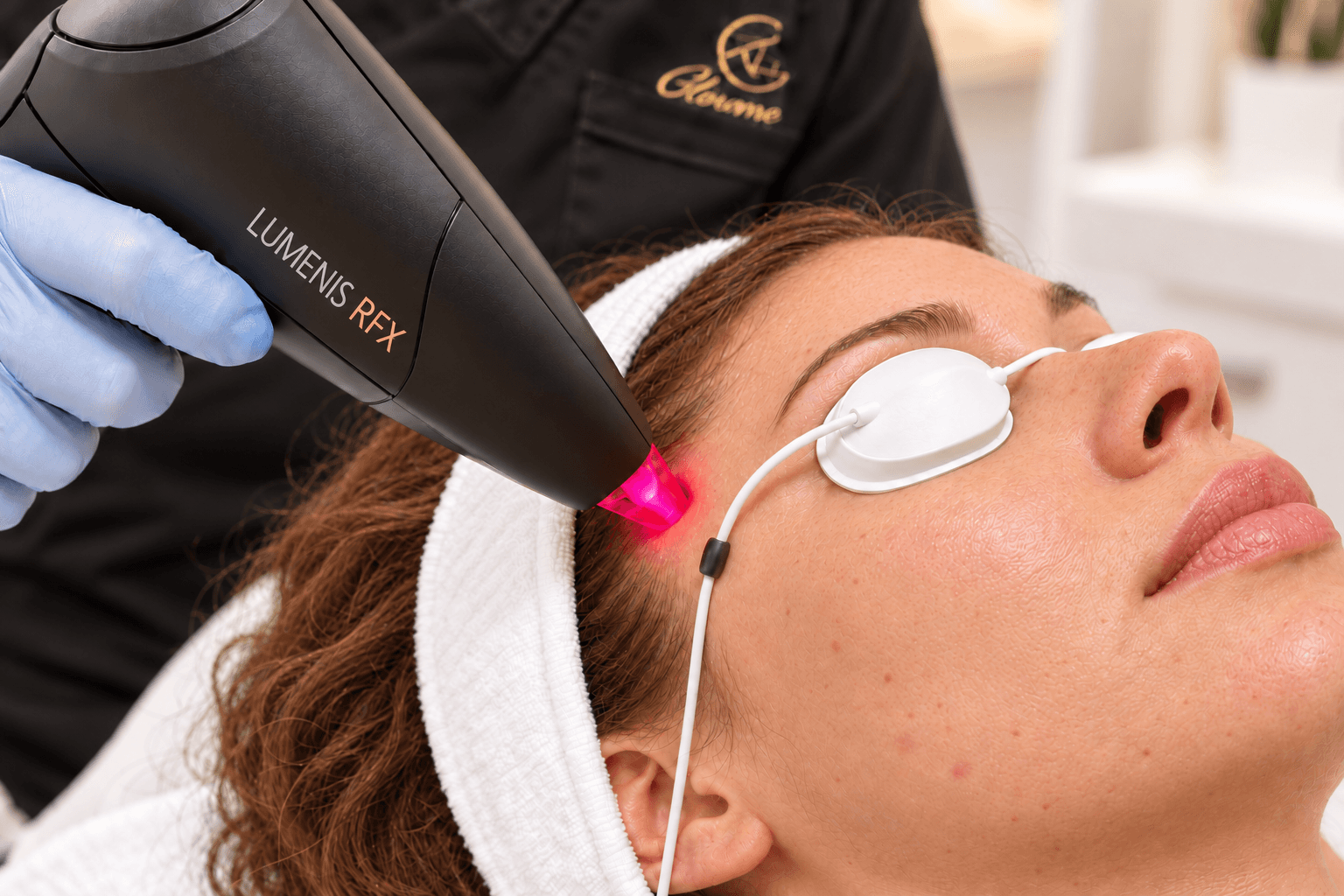
ResurFX Laser Resurfacing
Non-ablative fractional laser for scarring, texture, and fine lines.
See treatment →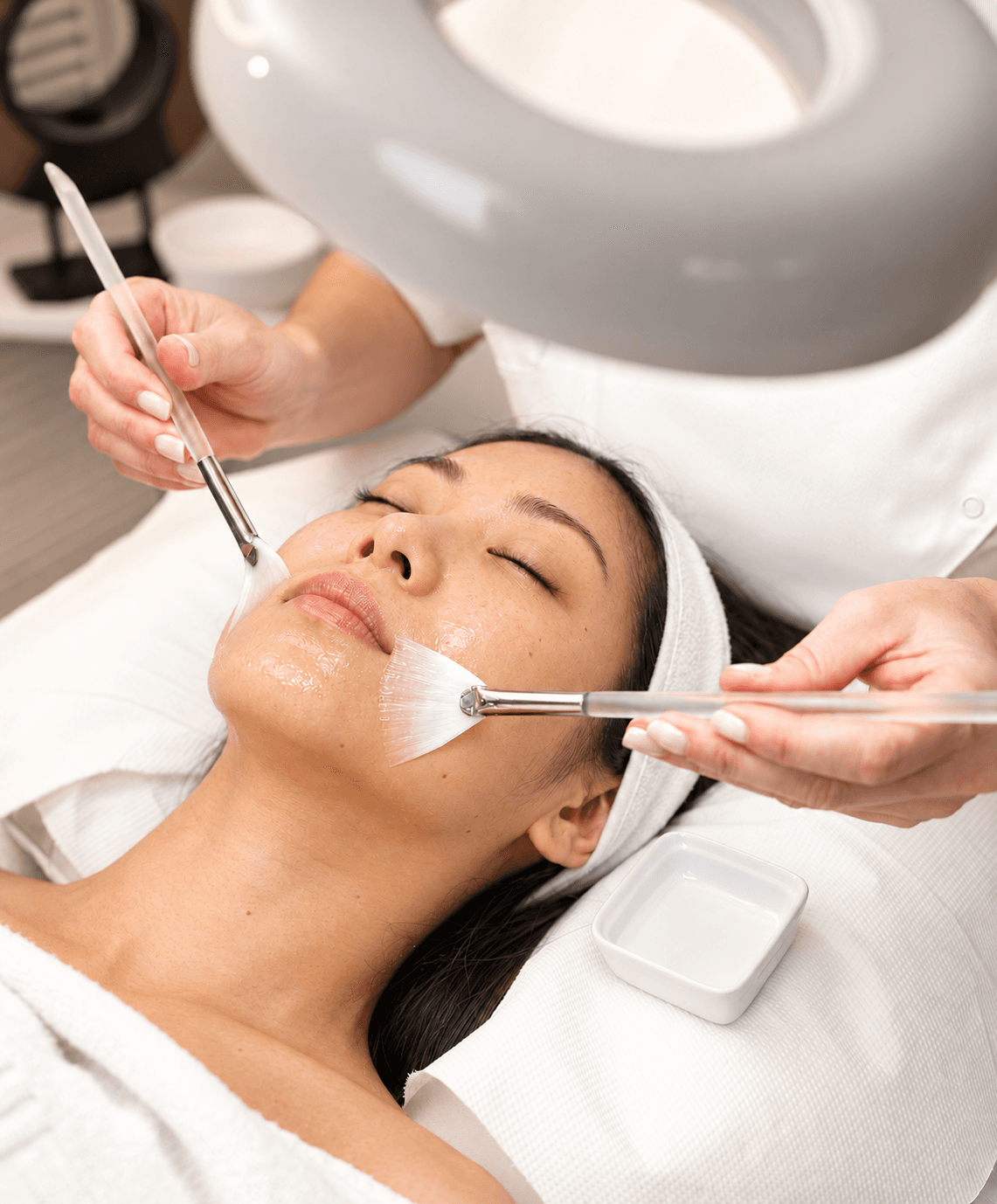
Chemical Peels
Controlled exfoliation for dullness, congestion, and uneven tone.
See treatment →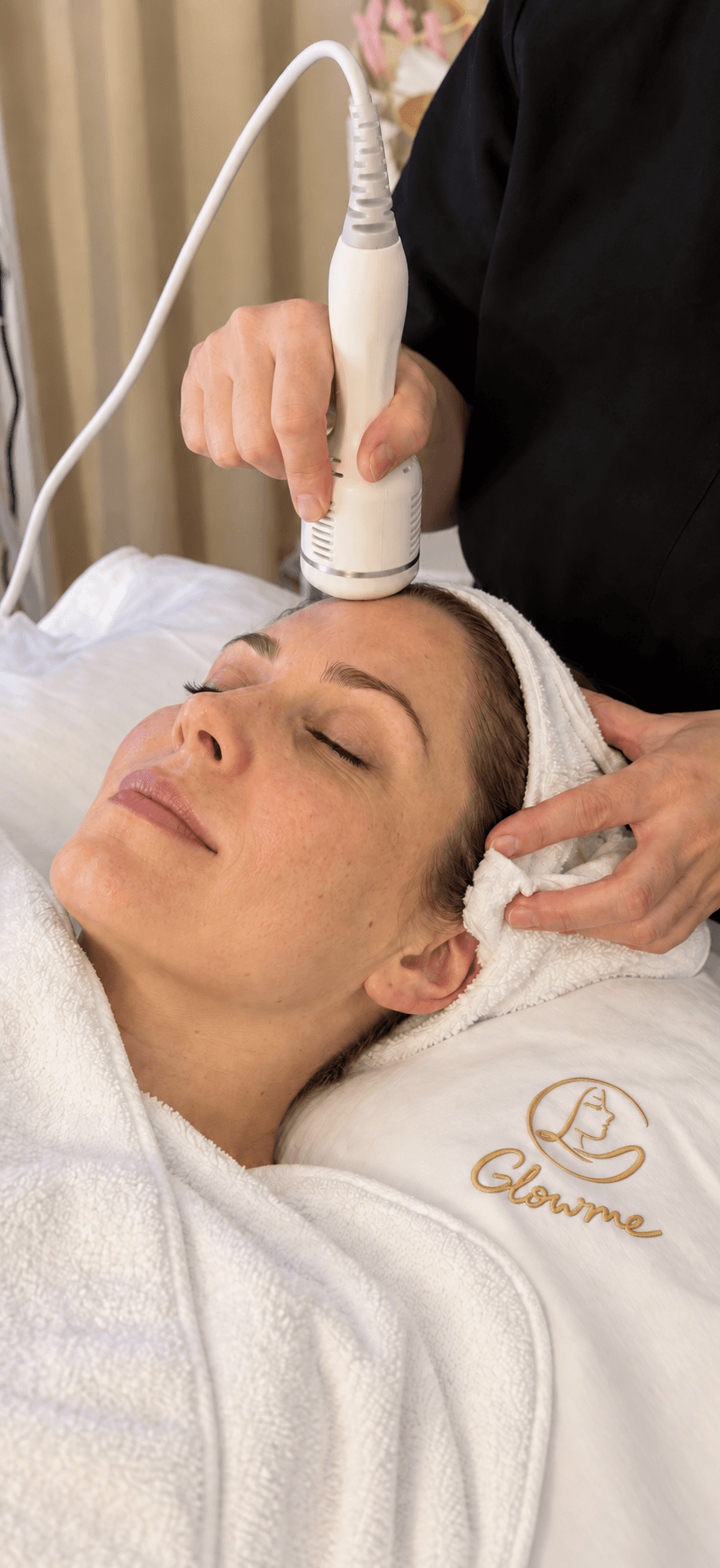
Facial Treatments
Deep cleansing, extraction, and hydration, tailored to your skin on the day.
See treatment →03
Common questions
What is the best treatment for acne scars?
For depressed scars — the kind that dent inward — microneedling and ResurFX fractional laser are the two effective options, both working by rebuilding collagen in the depression. ResurFX generally works faster and reaches deeper at the cost of more downtime; microneedling is gentler and cheaper per session. Either needs a course of three to five, not one appointment.
Are my dark marks scars?
Usually not. If the skin is flat and only discoloured, that is post-inflammatory pigmentation, and it fades on its own over months with daily sunscreen. If you can feel a dent when you run a finger over it, that is a scar and it will not fade without treatment. The distinction decides everything about what to do next.
Can I treat scars while I still get breakouts?
Not over active lesions. Needling or lasering inflamed skin risks spreading bacteria and creating new scarring. Clear areas of the face can often be treated in the meantime, but severe or cystic acne should be managed by a dermatologist before scar work begins.
Will one session make a difference?
A visible one, no. Collagen rebuilding is cumulative and slow — each session lays down a little more, and the change becomes obvious somewhere around the third. Anyone promising to clear established scarring in one appointment is overselling.
Next step
Not sure which treatment is right for you?
Book a consultation and a practitioner will assess your skin and talk you through the options. No obligation to treat on the day.