


Redness & Sensitive Skin
Reactive skin usually needs its barrier repaired before anything else.

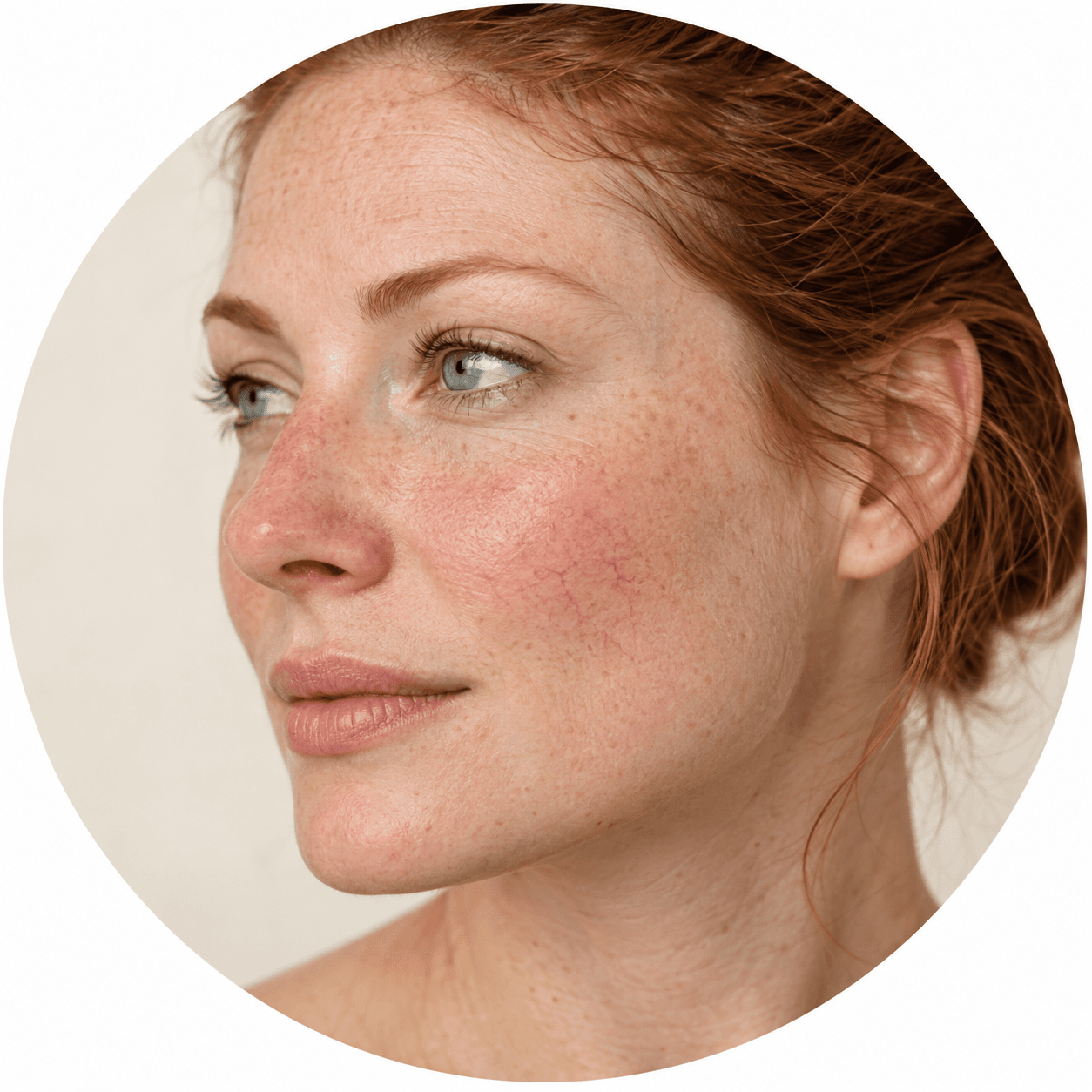
Skin that stings, flushes, and reacts to products is usually not intrinsically sensitive — it has a damaged barrier, most often from over-exfoliation and too many active ingredients. Persistent visible redness and visible vessels are a separate matter and respond to light-based treatment. The first step is telling the two apart, because they need opposite approaches.
01
Why it happens
A compromised skin barrier, usually from over-exfoliating or stacking active ingredients
Dilated capillaries near the surface, which stay visible once formed
Rosacea, a chronic inflammatory condition that is managed rather than cured
Triggers such as heat, alcohol, spice, and temperature swings, which provoke flushing without causing the underlying condition
02
What helps
03
Common questions
Is my skin sensitive, or did I damage it?
If it used to tolerate products and now does not, the barrier is damaged rather than the skin being intrinsically sensitive. The usual cause is too many actives at once — retinol, acids, and vitamin C stacked together. Stopping everything except a gentle cleanser, a plain moisturiser, and sunscreen for two weeks resolves a surprising proportion of cases with no treatment at all.
Can visible capillaries be removed?
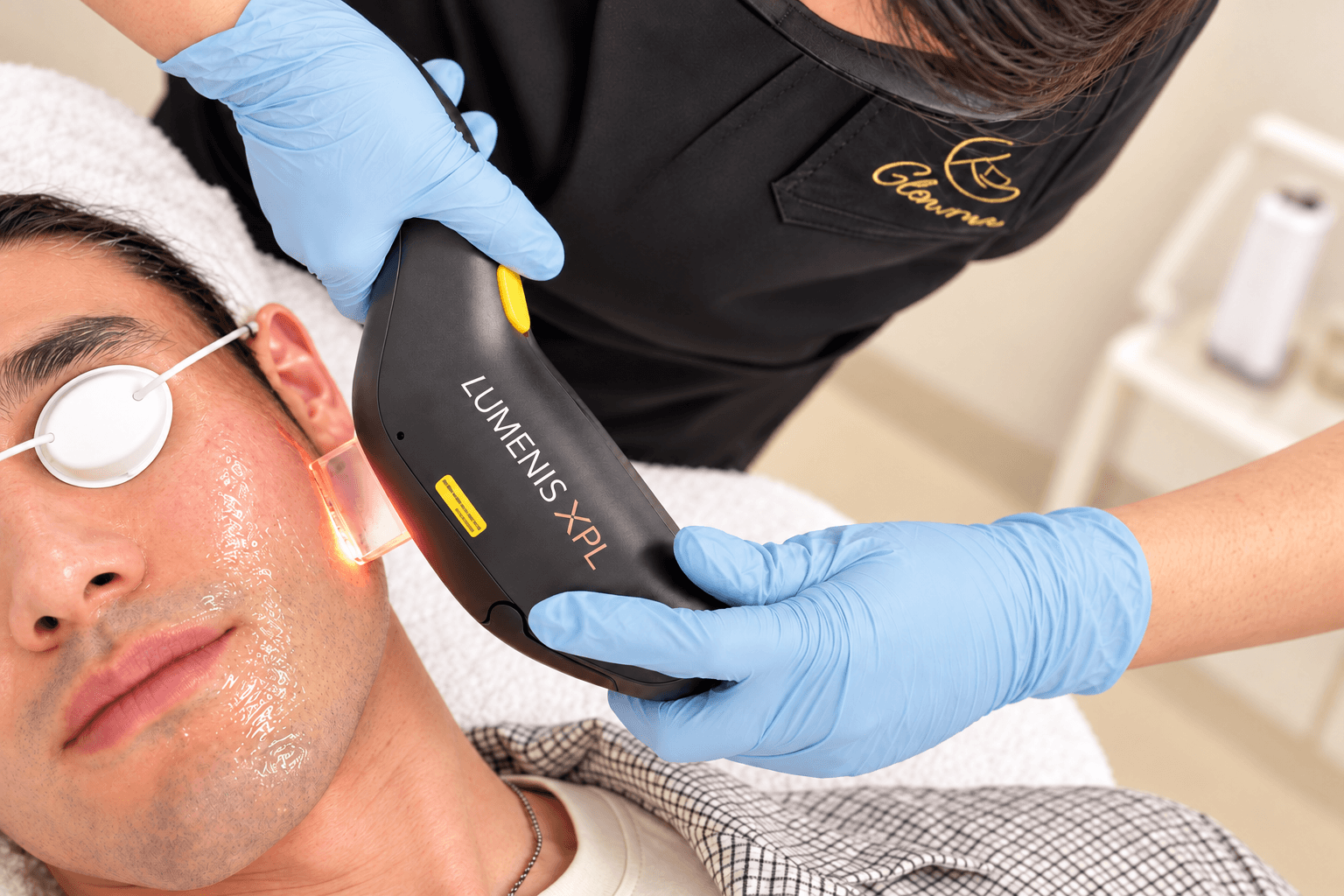
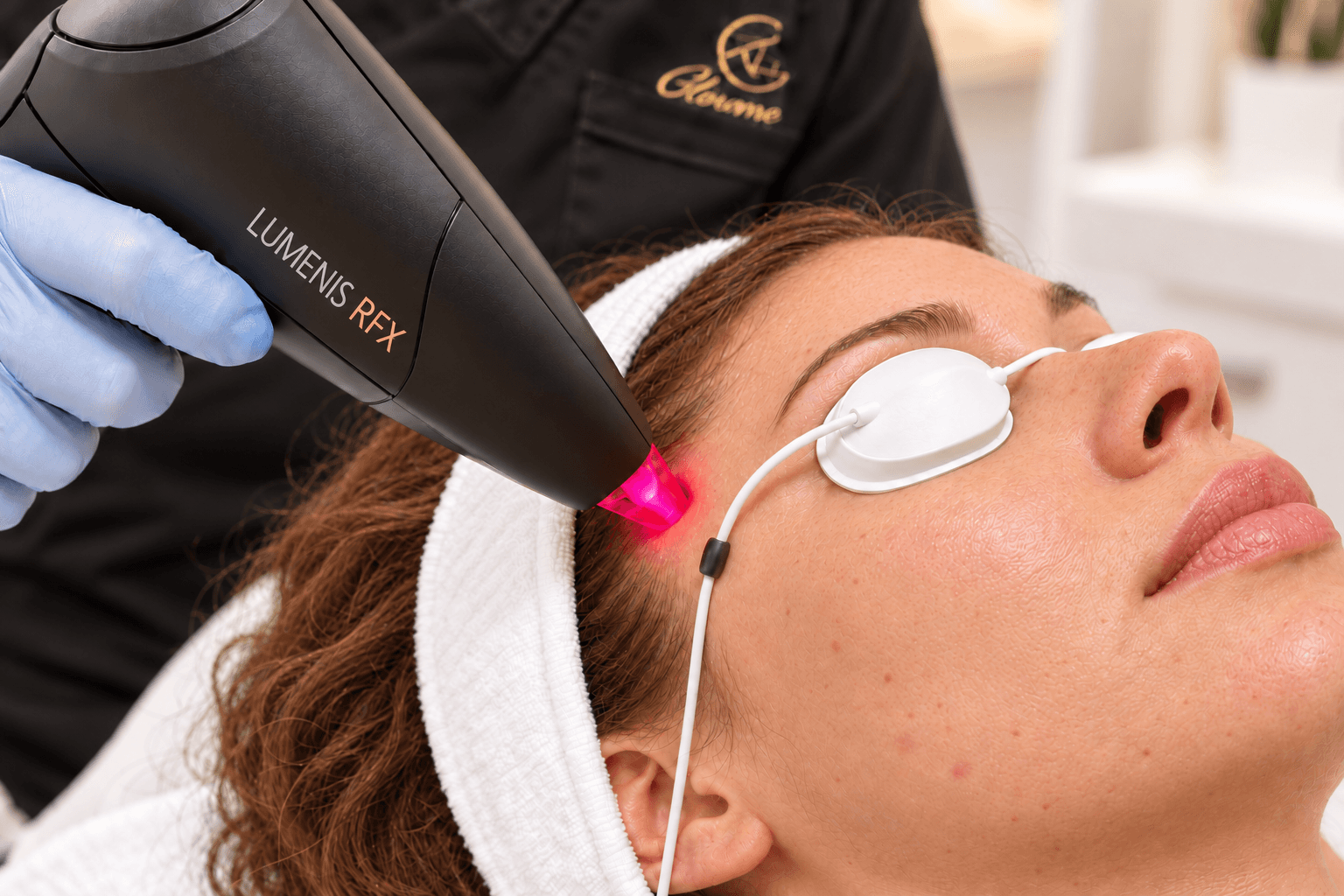
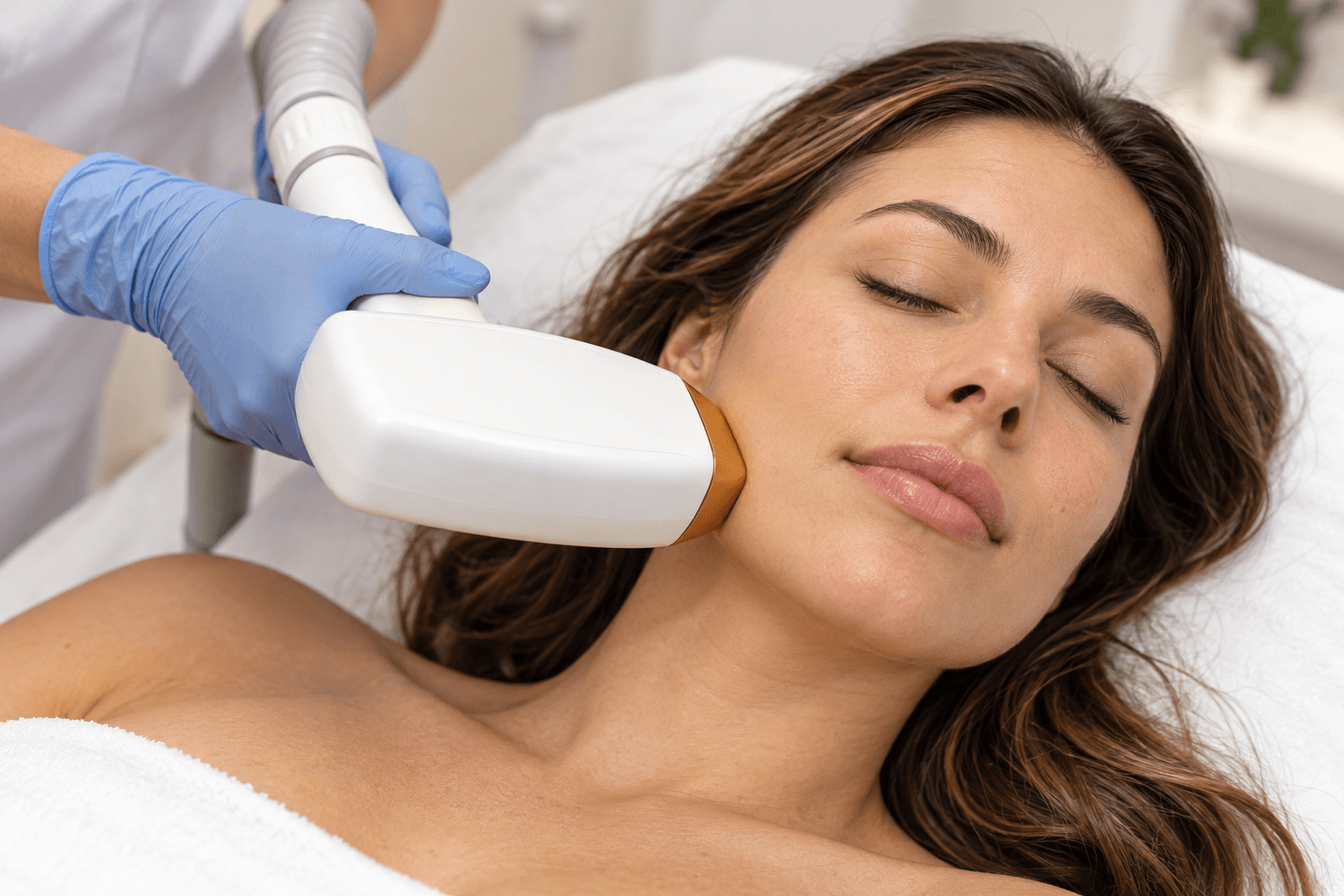
Yes. IPL is absorbed by the haemoglobin in the vessel, collapsing it so the body clears it away. Individual vessels usually need one to three sessions. Diffuse rosacea redness improves with each session but tends to need ongoing maintenance, since the underlying condition remains.
Can sensitive skin have treatments at all?
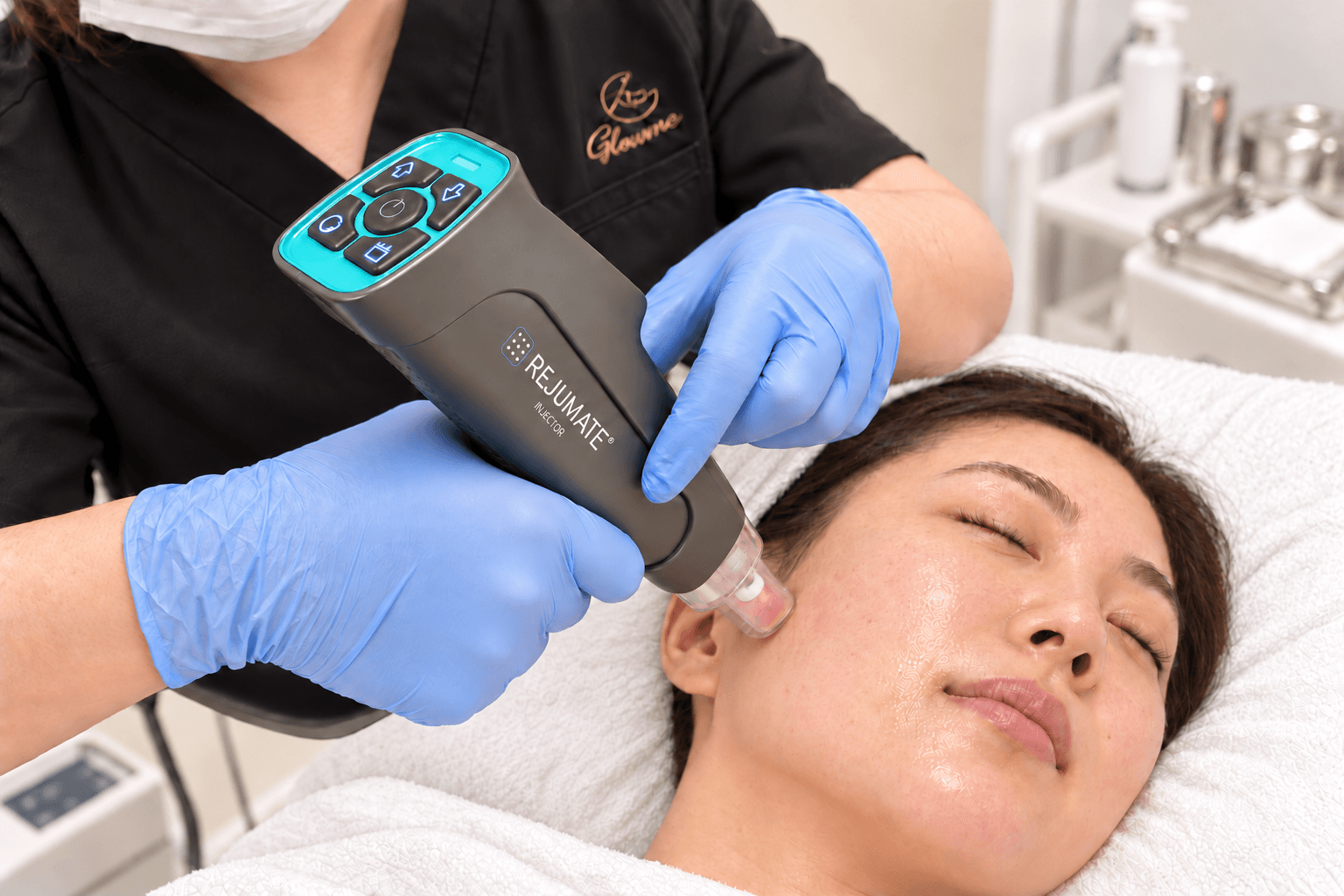
Yes, once the barrier is repaired — and often it should. Rejuran in particular suits reactive skin because it works on barrier repair rather than stripping or resurfacing. What matters is sequence: repair first, then treat. Treating a compromised barrier tends to make everything worse.
Does rosacea go away?
No — it is a chronic condition that is managed, not cured. Treatment reduces the visible redness and vessels considerably, and identifying your triggers reduces flare-ups. Anyone promising a cure is describing something other than rosacea.
Next step
Not sure which treatment is right for you?
Book a consultation and a practitioner will assess your skin and talk you through the options. No obligation to treat on the day.