
IPL Photofacial
Broadband light for sun spots, redness, and visible vessels.
Stellar M22™ with XPL™
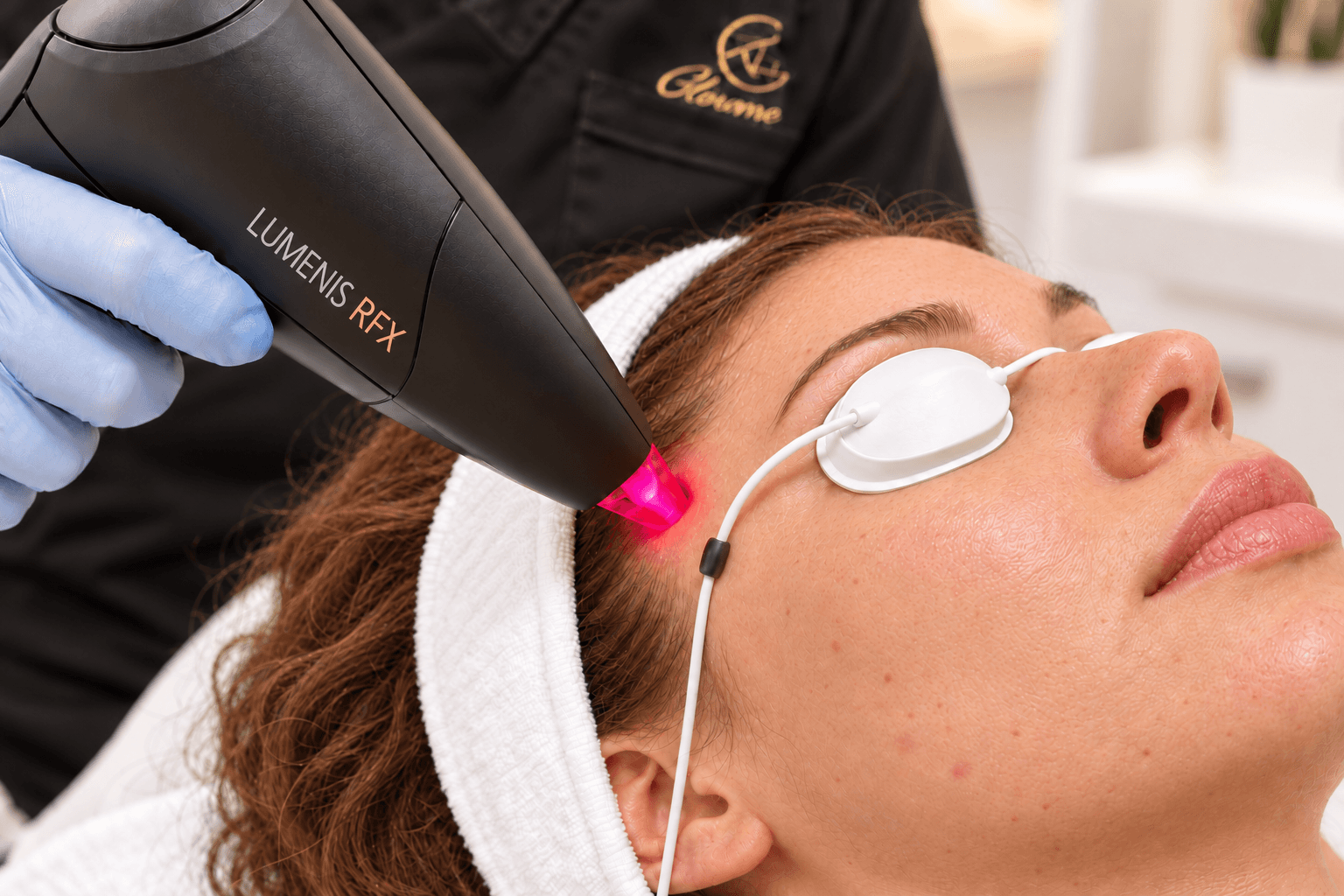
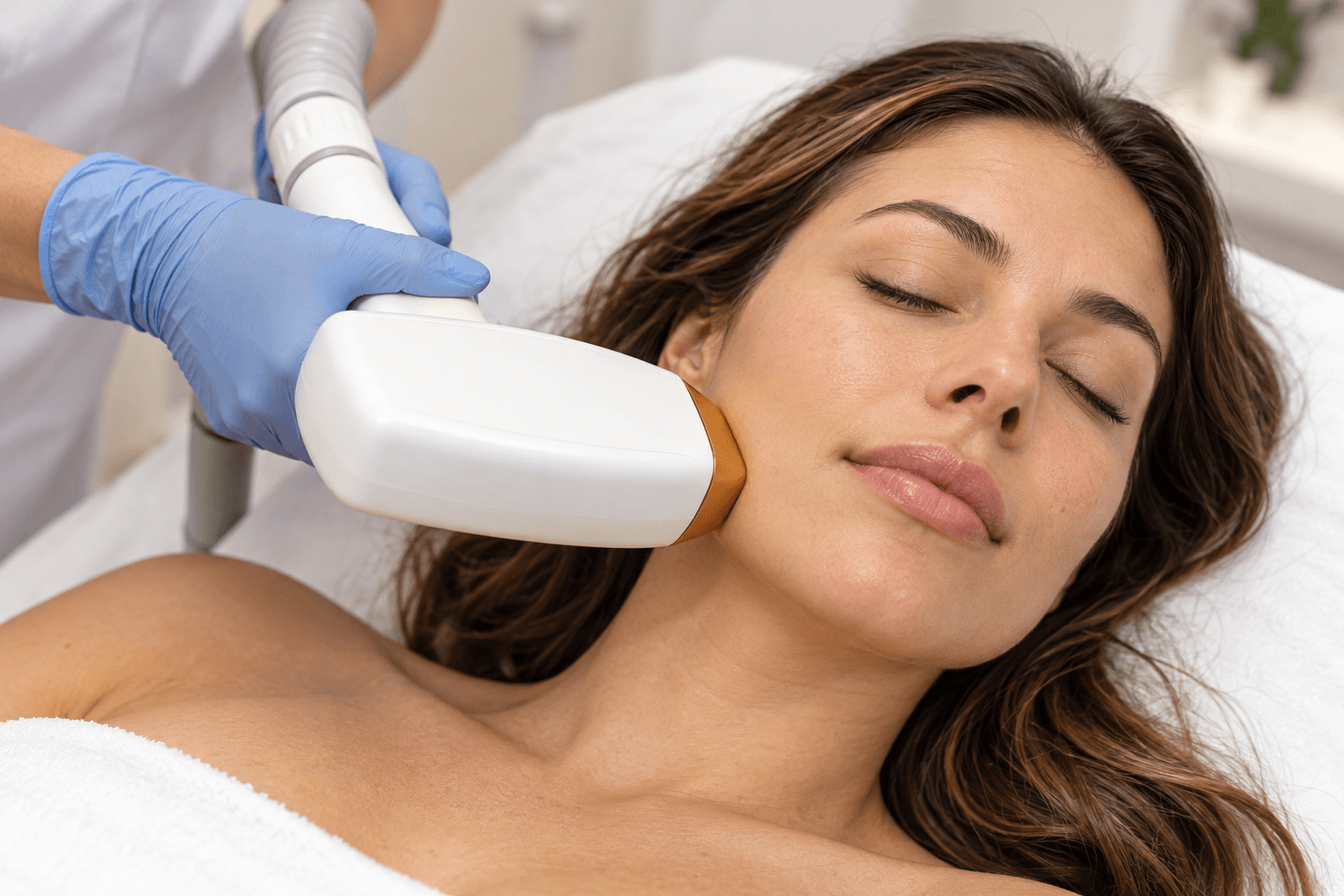
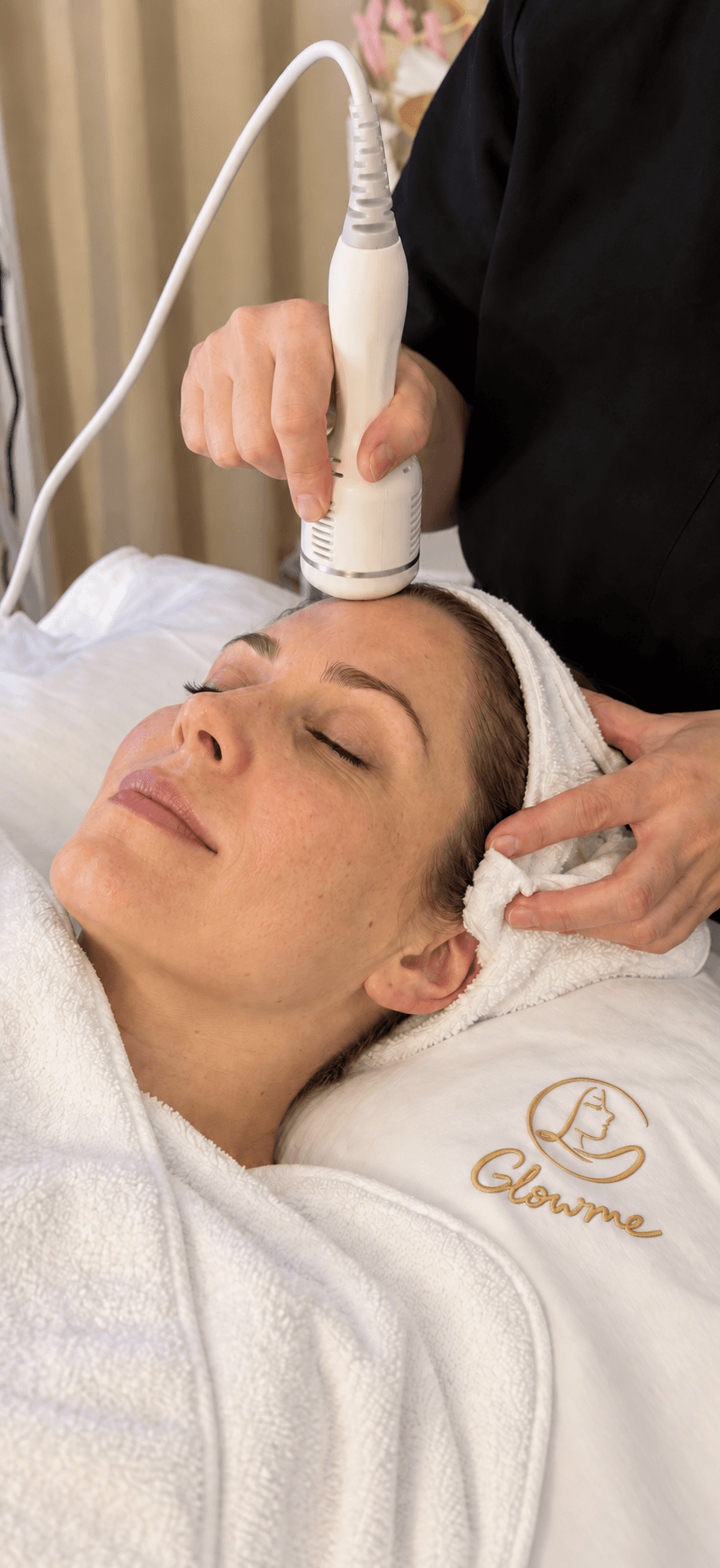
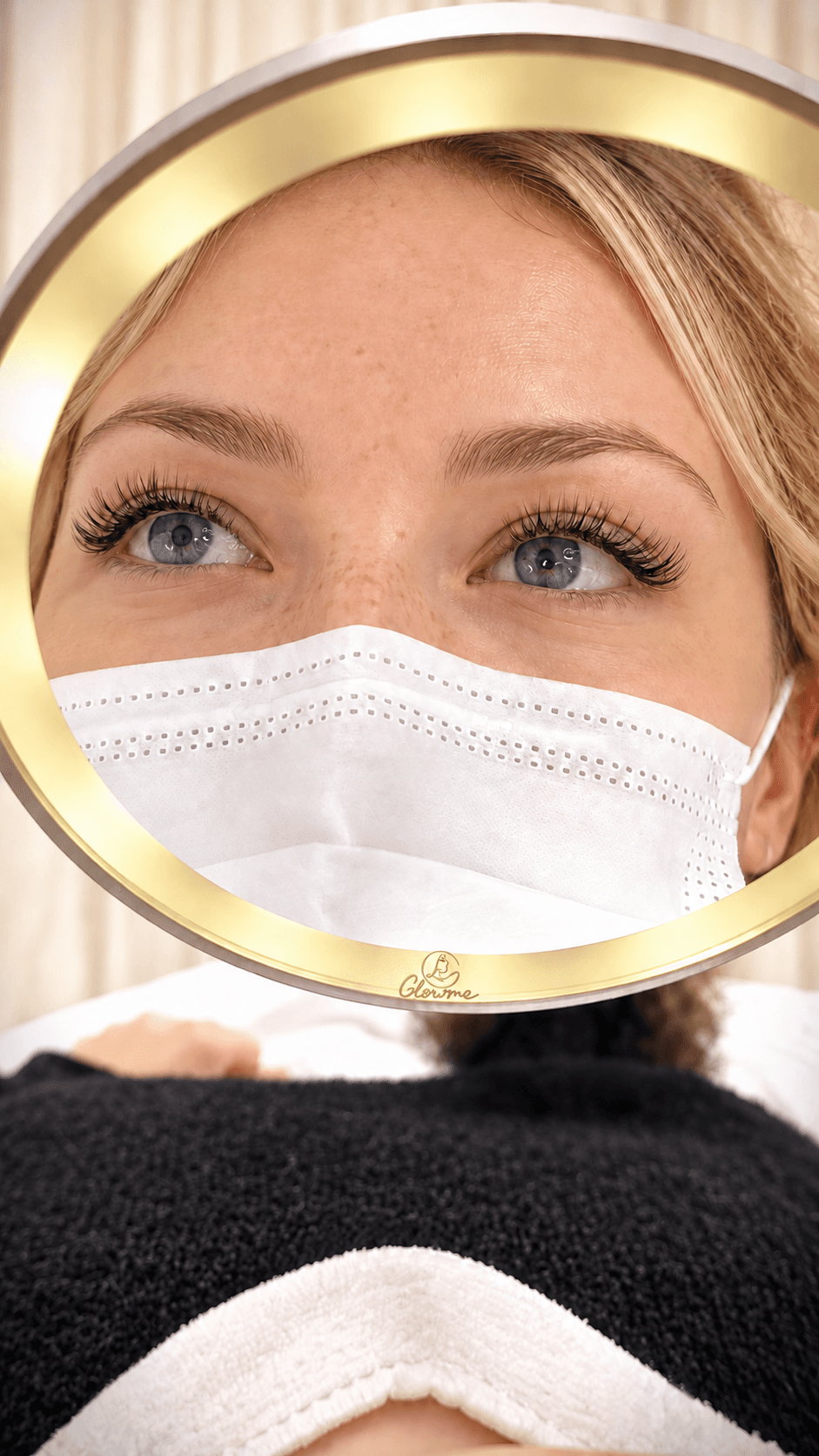
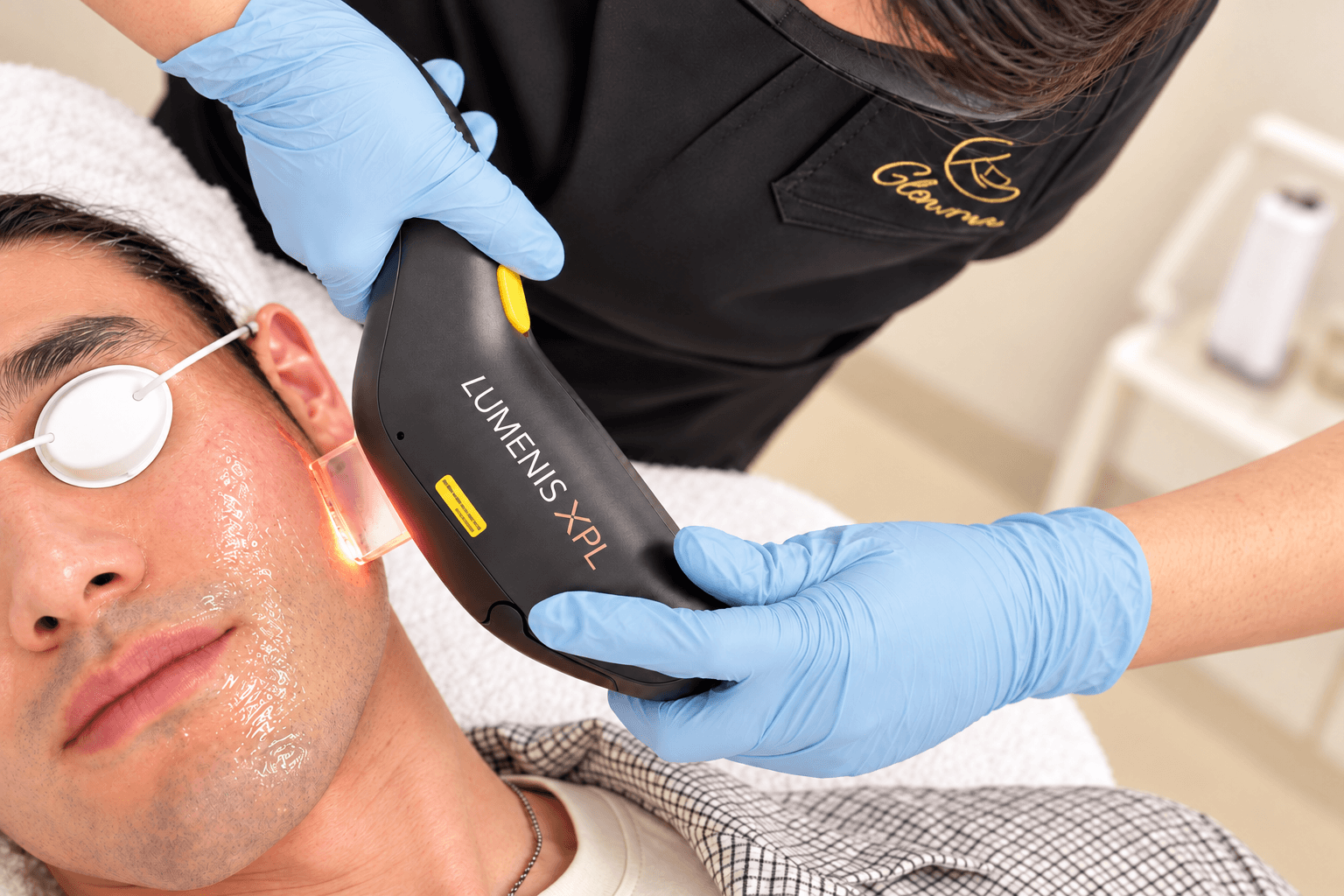
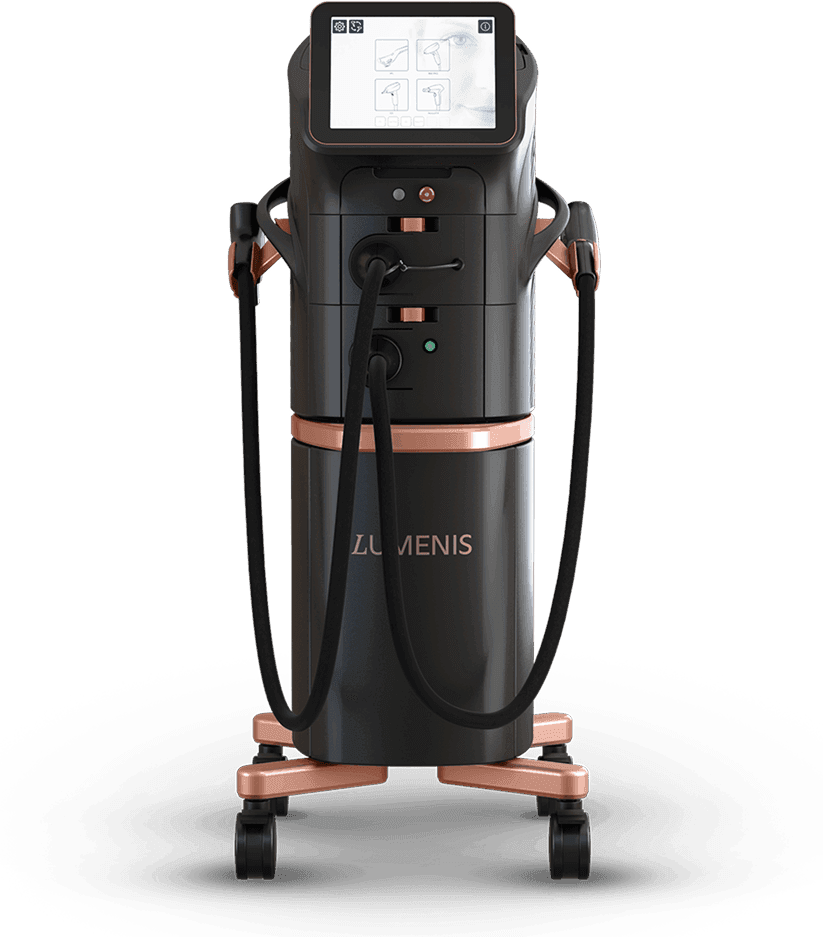
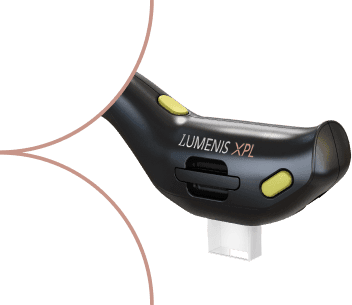
The IPL handpiece is used with settings selected for the concern and skin being treated, with protective eyewear throughout the session.
IPL is broadband light rather than a laser: it delivers a range of wavelengths that are absorbed by pigment and by the haemoglobin in small blood vessels. That makes it the right tool for brown spots and for facial redness, and the wrong tool for texture — a fractional laser does that.
01
What it does
Fades sun spots, age spots, and freckles
Reduces persistent facial redness and flushing
Clears small visible vessels
Treats a whole face in about twenty minutes
02
Pricing
| Treatment | Single | First try / Member | 3 sessions |
|---|---|---|---|
| IPL Photofacial | $449 | $349 | $999 |
| Wholistic PhotofractionalIPL and fractional resurfacing in one visit | $999 | $759 | $2,159 |
More established pigmentation may need a plan set at consultation rather than a standard course. Members pay 90% of the listed price. Prices are subject to change.
03
What to expect
Skin tone assessment
Your skin is graded on the Fitzpatrick scale. This is not a formality — IPL targets melanin, so the safe settings, and whether IPL is appropriate at all, depend on how much melanin your skin carries.
Patch test
A small test area is treated first and reviewed before a full session, particularly for deeper skin tones or a first treatment.
Treatment
Protective eyewear is worn and cooling gel applied. The handpiece is pressed against the skin section by section; each pulse feels like a rubber band snap with a flash of light you see through closed eyes.
Aftercare
Daily broad-spectrum sunscreen is mandatory, not advisable. Treated skin is more UV-sensitive, and sun exposure can produce new pigmentation that undoes the result. Avoid heat, saunas, and strenuous exercise for 48 hours.
04
Is it right for you?
Good for
- Sun spots and age spots
- Freckles you would rather not have
- Rosacea-type redness and flushing
- Broken capillaries around the nose and cheeks
Not suitable if
- Deeper skin tones (Fitzpatrick V–VI). IPL cannot distinguish a sun spot from naturally melanin-rich skin, and the risk of burns and lasting pigment change is real. There is no like-for-like substitute: ResurFX resurfaces safely on deeper skin but targets water rather than melanin, so pigmentation is better managed with gentle peels and topical care
- Recently tanned skin, including self-tanner, within the past two to four weeks
- Photosensitising medication, including some antibiotics and isotretinoin
- Pregnancy
- Active infection, open wounds, or inflammation in the treatment area
Downtime
Mild redness and warmth for a few hours, like a light sunburn. Treated pigment darkens over the following day — this is the expected result, not a problem — then flakes away over one to two weeks. Do not pick at it.
Results
Pigment clears over one to two weeks as the treated spots flake away. Redness improves after each session and usually needs a course of three to five, spaced three to four weeks apart.
05
Common questions
Is IPL safe for Asian or darker skin?
It depends on where you fall on the scale, and the honest answer is that IPL is not the right treatment for everyone. IPL targets melanin, so the more melanin the skin holds, the more light energy it absorbs — which raises the risk of burns and of post-inflammatory hyperpigmentation, the opposite of the intended result. Lighter Asian skin (Fitzpatrick III–IV) is usually treatable with conservative settings and a patch test. For Fitzpatrick V–VI we would not recommend IPL at all, and would discuss gentle peels and topical management instead — ResurFX is safe on deeper skin but treats texture, not pigment.
What is the difference between IPL and a laser?
A laser emits one wavelength; IPL emits a broad range. That makes IPL versatile for surface colour — it can address brown spots and redness in the same pass — but less precise, and unable to reach the depth needed for texture and scarring. For colour, IPL; for texture, a fractional laser.
Why did my spots get darker after treatment?
That is the expected response. The light fragments the pigment, which rises toward the surface, darkens, and flakes off over one to two weeks. Picking at it risks scarring and fresh pigmentation, so let it shed on its own.
How many IPL sessions will I need?
Three to five, spaced three to four weeks apart. An isolated sun spot sometimes clears in one session, but diffuse pigmentation and redness almost always need a course — a single treatment gives partial improvement rather than a finished result.
Can I have IPL in summer?
It is possible but demands discipline. Treated skin is more UV-sensitive, and sun exposure can trigger new pigmentation that cancels out the result. If you treat in summer, daily broad-spectrum sunscreen and genuine sun avoidance are required — many people prefer to schedule pigmentation work for autumn and winter.
What should I avoid before my appointment?
No sun exposure or self-tanner for two to four weeks beforehand — a tan makes IPL unsafe, not just less effective. Stop retinol and acids about a week before. Tell us about all medication: some antibiotics and acne treatments make skin photosensitive.
Next step
Not sure which treatment is right for you?
Book a consultation and a practitioner will assess your skin and talk you through the options. No obligation to treat on the day.