



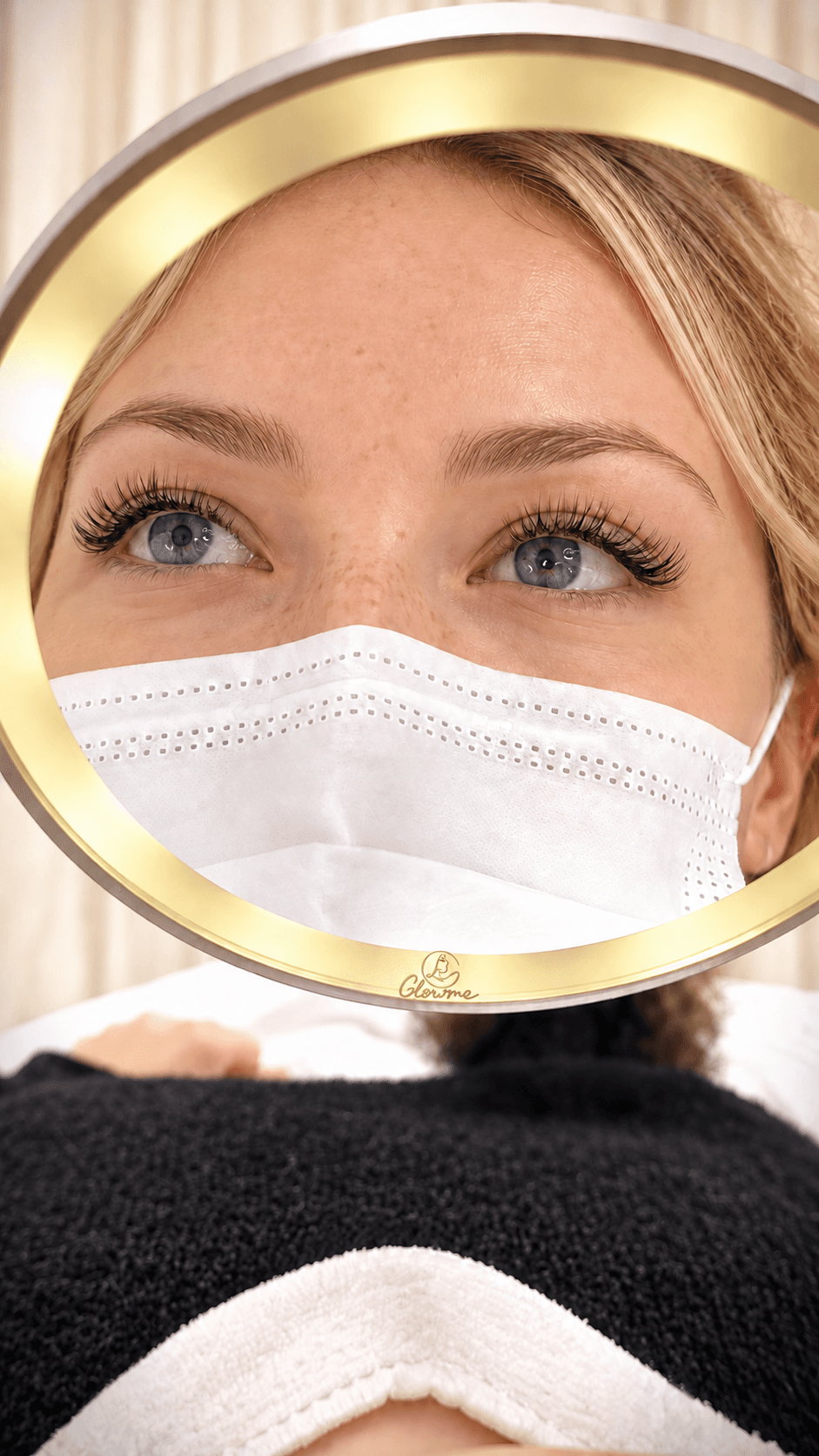





Pigmentation & Sun Damage
Sun spots, freckles, and uneven tone — and why sunscreen decides the outcome.

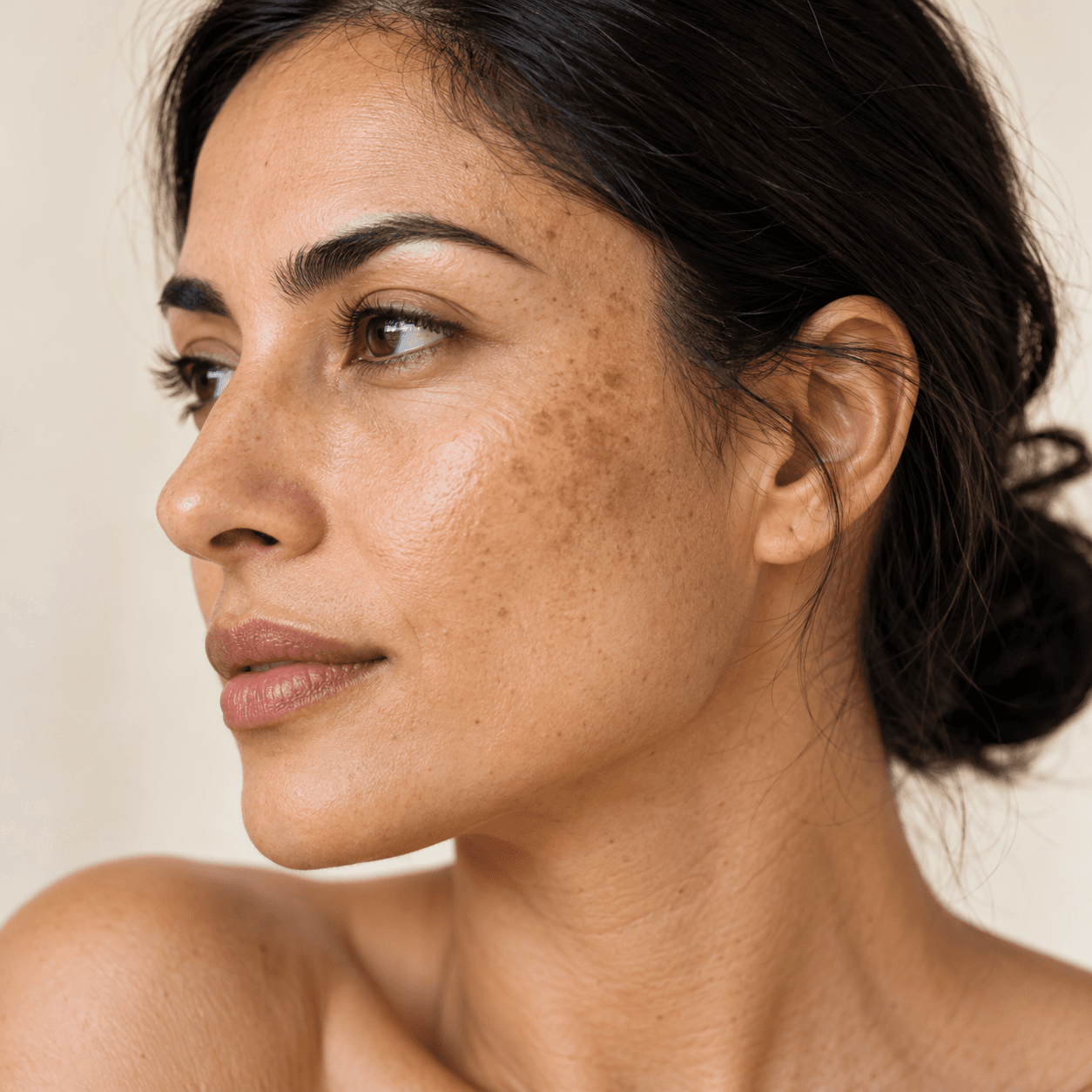
Most uneven tone is accumulated sun exposure surfacing years later. Treatment breaks up existing pigment, but nothing prevents it from returning except sun protection. This is the one concern where aftercare matters more than the treatment: the same session produces a lasting result or a wasted one depending entirely on what happens afterwards.
01
Why it happens
Cumulative UV exposure prompting melanocytes to overproduce pigment
Post-inflammatory pigmentation left behind by acne, irritation, or an over-aggressive treatment
Melasma, which is hormonally driven, sits deeper, and recurs — it needs a dermatologist rather than a photofacial
Visible light and heat, which is why pigmentation can worsen in summer even under sunscreen
02
What helps
03
Common questions
How many sessions to clear sun spots?
Three to five IPL sessions, three to four weeks apart, for diffuse pigmentation. An isolated dark spot sometimes clears in one. Treated spots darken for a few days and flake away over one to two weeks, which is the expected response rather than a problem.
Is IPL safe for my skin tone?
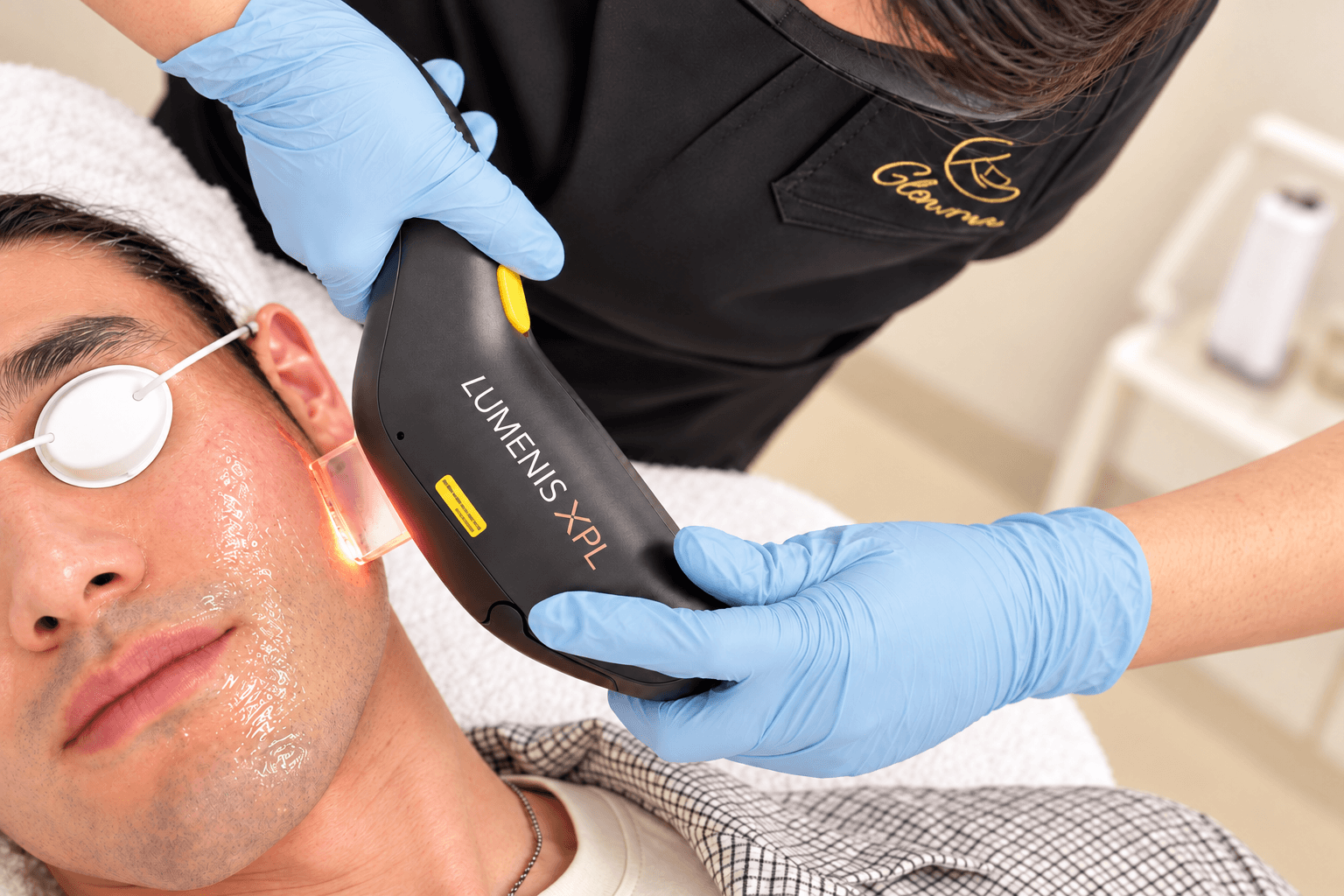
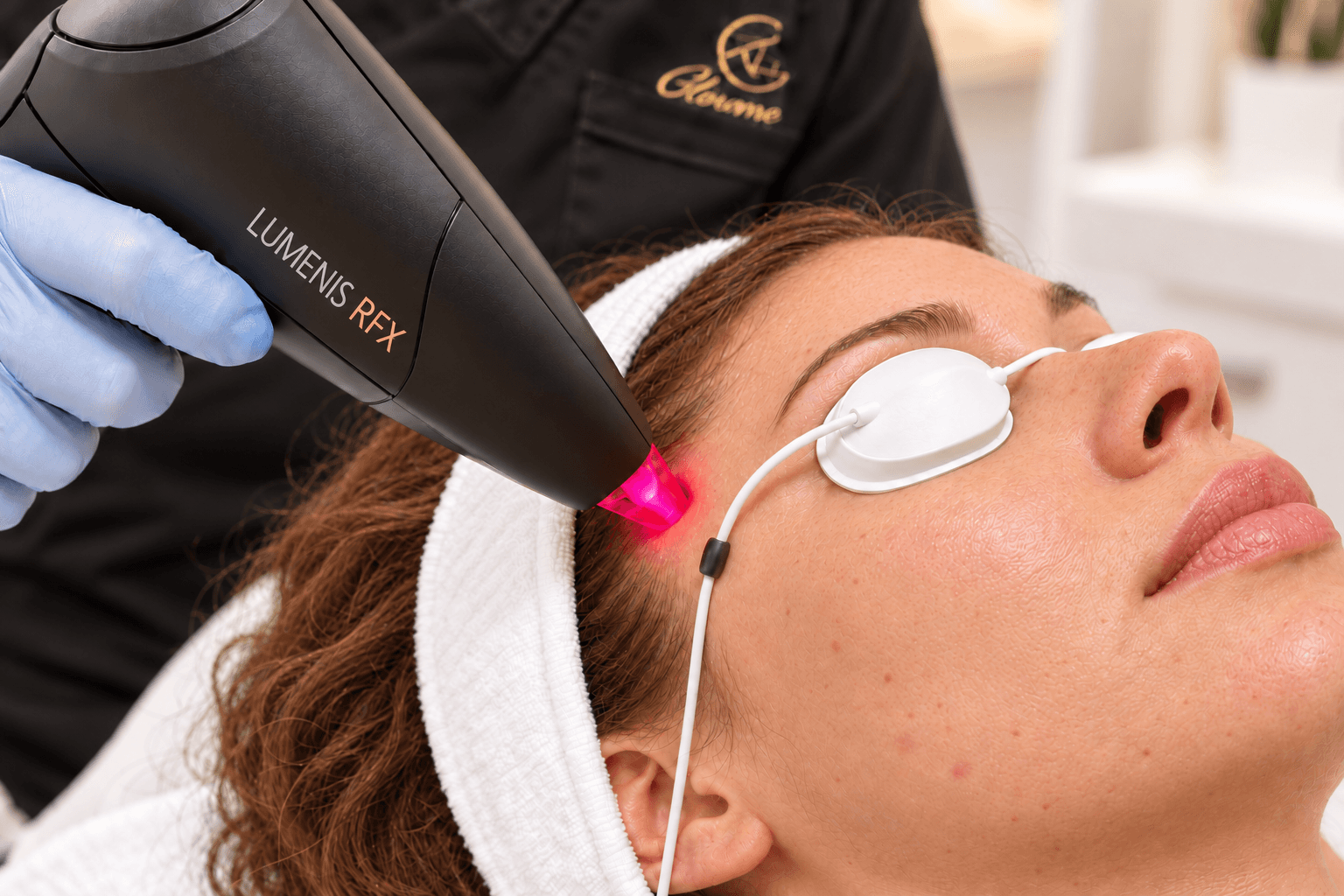
It depends, and the honest answer is that IPL is not right for everyone. It targets melanin, so higher-melanin skin absorbs more energy — raising the risk of burns and of post-inflammatory pigmentation, which is the opposite of the goal. Lighter Asian skin is usually treatable with conservative settings and a patch test. For deeper tones we would recommend ResurFX instead, which targets water rather than pigment.
Do I have melasma or sun spots?
Sun spots are discrete, sharply bordered, and appear where sun lands — cheekbones, forehead, backs of hands. Melasma is a diffuse patch with soft edges, usually symmetrical across the cheeks or upper lip, and often follows pregnancy or hormonal contraception. The distinction matters because light-based treatment can worsen melasma; if that is what you have, we will refer you rather than treat it.
Will the spots come back?
Yes, if the sun exposure that caused them continues. Treatment removes existing pigment; it does not change how your skin responds to UV. Daily broad-spectrum sunscreen is what determines whether a result lasts a season or several years — without it, retreating annually is the realistic expectation.
Next step
Not sure which treatment is right for you?
Book a consultation and a practitioner will assess your skin and talk you through the options. No obligation to treat on the day.