




Chemical Peels
Controlled exfoliation for dullness, congestion, and uneven tone.
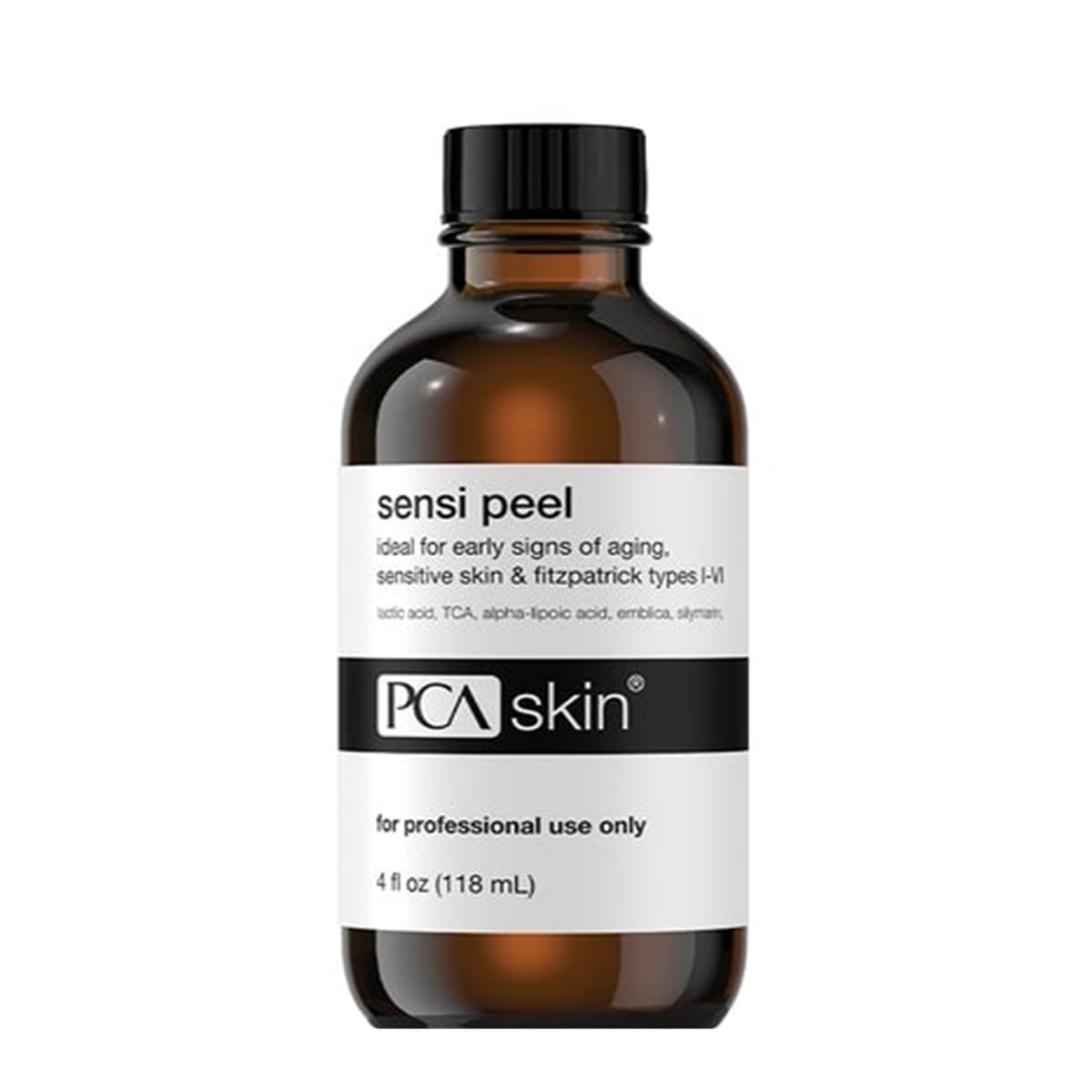
PCA SKIN® Chemical Peels
We use PCA SKIN's professional peel range, selecting the formula and strength after assessing your skin, goals, and current sensitivity.
A chemical peel applies an acid solution that loosens the bonds between dead surface cells so they shed, revealing newer skin underneath. Peels are graded by depth. Superficial peels — glycolic, lactic, salicylic — are the usual choice in a spa setting and leave little or no visible peeling.
01
What it does
Brightens dull, tired-looking skin
Clears congestion and blackheads
Evens out post-acne marks over a course of treatments
Improves the absorption of skincare
02
Pricing
| Treatment | Single | Member | 3 sessions |
|---|---|---|---|
| Glowme Signature PeelFor a single primary concern | $179 | $162 | $489 |
| Glowme Multi-Concern PeelFor several concerns at once | $199 | $180 | $539 |
Which peel suits you is decided at consultation, based on your skin rather than on a package. Prices are subject to change.
03
What to expect
Consultation and prep
Your skin is assessed and the appropriate acid and strength selected. Skin is cleansed and degreased so the solution penetrates evenly.
Application
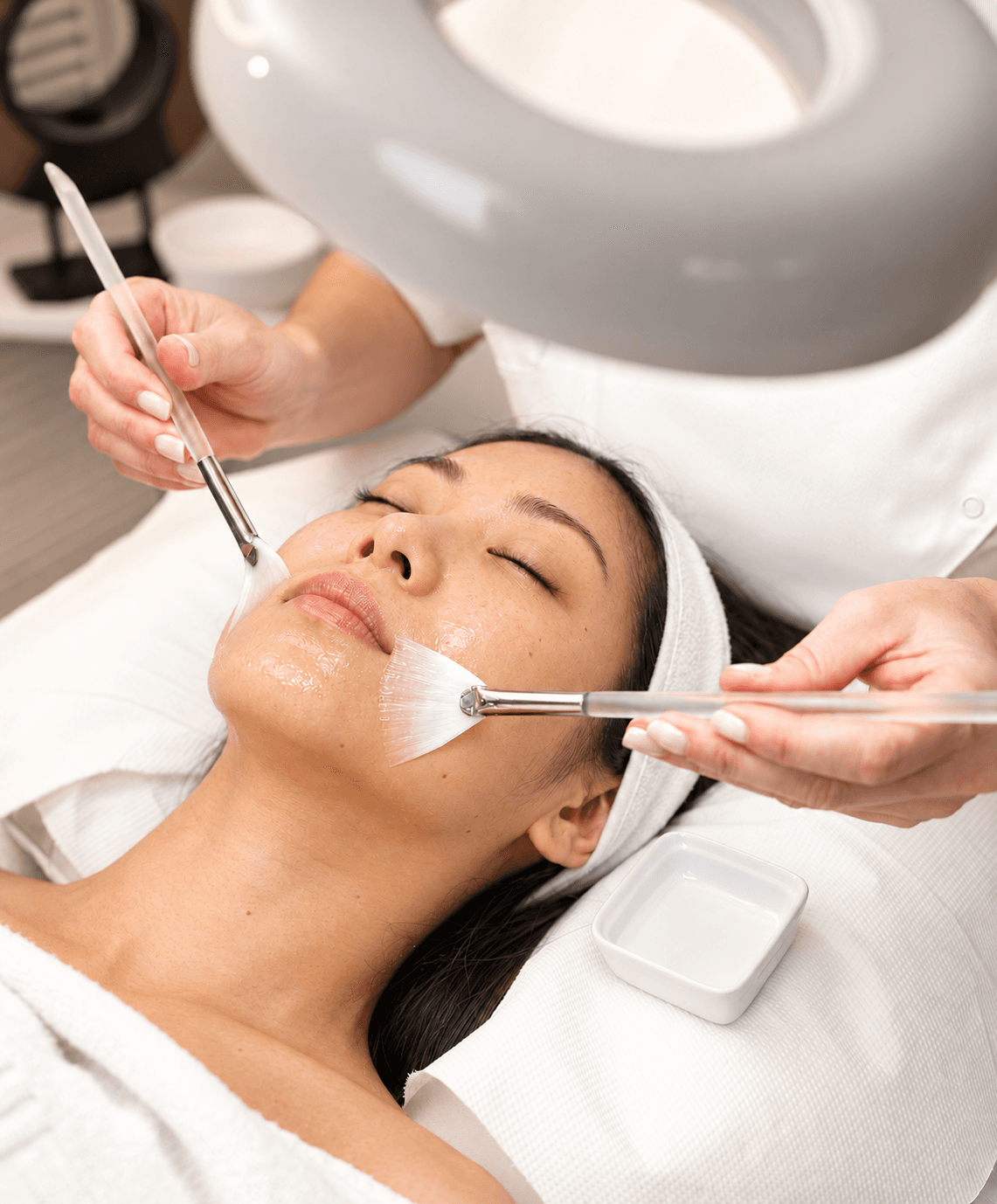
The solution is applied and left for a controlled time — usually a few minutes. Tingling and warmth are normal; sharp stinging is not, and you should say so if you feel it.
Neutralisation
The peel is neutralised or removed, and a soothing mask and moisturiser applied.
Aftercare
Do not pick or pull at flaking skin — let it shed naturally, or you risk marks that last far longer than the peel would have. Skip retinol, scrubs, and acids for about a week, and wear sunscreen daily.
04
Is it right for you?
Good for
- Dull skin and rough texture
- Blackheads and congestion
- Post-acne marks
- Early signs of sun damage
Not suitable if
- Isotretinoin (Accutane) use within the past six months
- Active cold sores, infection, or broken skin in the treatment area
- Pregnancy, depending on the acid used
- Waxing, laser, or another peel in the treatment area within the past two weeks
Downtime
Minimal for superficial peels. Expect some pinkness for a few hours and light flaking around days two to four, similar to skin recovering after a beach day. Makeup can usually be worn the next day.
Results
Skin looks brighter within about a week, once flaking has finished. Marks and texture respond over a course rather than a single session — three to six peels spaced two to four weeks apart is typical.
05
Common questions
Will my face visibly peel?
Usually not much. Superficial peels cause light flaking around days two to four, most noticeable around the nose and chin — closer to dry skin than to sheets of peeling. Deeper peels do cause visible peeling, but those are a different treatment with a different recovery.
How often can I have a chemical peel?
Every two to four weeks for superficial peels. The skin needs time to complete its renewal cycle between treatments; peeling more often does not accelerate results and can leave the barrier compromised, which shows up as sensitivity and redness.
Is a chemical peel safe for Asian skin?
Superficial peels are, and are widely used. The consideration for deeper skin tones is post-inflammatory hyperpigmentation — if a peel is too aggressive, the skin can respond by producing more pigment, which is the opposite of the intended result. Starting at a lower strength and building up across sessions is the standard approach.
Can I have a peel if I have active acne?
Often yes — salicylic acid peels are specifically used for acne because the acid is oil-soluble and can work inside the pore. What is avoided is peeling over broken or badly inflamed skin. Tell us if you are using prescription acne medication, as that changes what is safe.
What should I avoid before a peel?
Stop retinol, acids, and scrubs about a week beforehand, and avoid waxing or laser in the area for two weeks. Come with clean skin and no makeup if possible. Mention any cold sore history — peels can trigger an outbreak, and preventive medication may be advised.
Next step
Not sure which treatment is right for you?
Book a consultation and a practitioner will assess your skin and talk you through the options. No obligation to treat on the day.